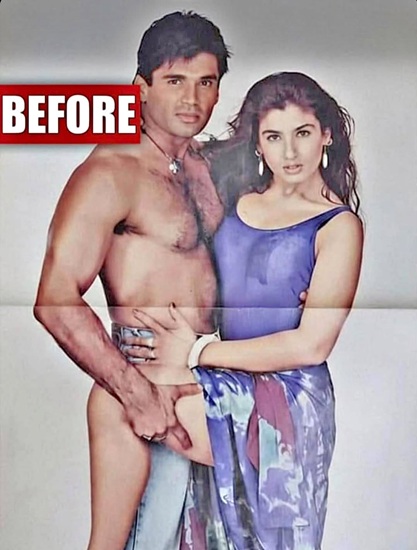
Social media has dramatically changed the way people view relationships. A single photograph posted online can reach millions of people within hours, generating thousands of comments, reactions, and opinions from complete strangers. In today’s digital world, personal moments often become public discussions, especially when a couple appears different from what many people consider a traditional romantic pairing. Whether the difference involves age, height, style, appearance, or lifestyle, unusual relationships frequently attract significant online attention.
Platforms such as TikTok, Instagram, Facebook, and Reddit have made it easier than ever for people to share snapshots of their lives. While this increased visibility allows individuals to connect with wider audiences, it also invites intense scrutiny. When a photo of an unconventional couple begins circulating online, viewers often form immediate opinions based solely on appearance. In many cases, people know nothing about the individuals involved, yet they feel comfortable making assumptions about the nature of the relationship.
One reason these stories gain so much attention is that humans naturally notice things that stand out from familiar patterns. Psychologists have long observed that people tend to compare new information with their existing expectations and experiences. When a relationship appears different from what someone expects, curiosity often follows. Unfortunately, curiosity can sometimes evolve into judgment, particularly in online spaces where quick reactions are encouraged and context is often missing.

The comment sections beneath viral relationship photos frequently become places where speculation spreads rapidly. Some users attempt to analyze the personalities of the people involved. Others speculate about finances, motives, power dynamics, or long-term compatibility. These conclusions are often formed without any factual information. Instead, they are based entirely on visual impressions and personal assumptions.
One of the most common misconceptions surrounding unconventional couples is the belief that appearance alone determines relationship success. Research on long-term relationships consistently suggests that factors such as trust, communication, shared values, emotional support, and mutual respect play a much larger role in relationship satisfaction than physical appearance alone. While attraction can be important, successful partnerships are typically built on a foundation that extends far beyond what can be seen in a photograph.
A photograph captures only a single moment in time. It cannot reveal years of shared experiences, personal growth, challenges overcome together, or the emotional connection between two people. Yet many online discussions treat a single image as if it contains enough information to fully explain an entire relationship. This tendency highlights one of the limitations of social media: people often make judgments based on incomplete information.
Another reason unconventional couples attract attention is because they challenge social expectations. Throughout history, societies have developed unwritten ideas about what relationships should look like. These expectations can involve age, appearance, culture, education, income, or other factors. When a couple does not fit these expectations, some observers feel compelled to search for an explanation. In many cases, the explanation they create says more about their own assumptions than it does about the relationship itself.
The rise of viral content has intensified this phenomenon. Social media algorithms often promote posts that generate strong emotional reactions. Content that sparks surprise, disagreement, or controversy tends to receive more engagement, causing it to spread further. As a result, photos of unconventional couples frequently become discussion topics not because there is anything unusual about the relationship itself, but because public debate drives visibility.
For the couples involved, this attention can be overwhelming. Being discussed by thousands or even millions of strangers can create emotional pressure. Constant commentary may affect confidence, privacy, and overall well-being. Some individuals choose to ignore the criticism, while others limit their online presence to protect their personal lives. Regardless of how they respond, the experience serves as a reminder of how public modern relationships can become.
Despite the negativity that sometimes appears online, many people also use social media to express support and encouragement. Positive comments often remind viewers that every relationship is unique and that happiness cannot be measured through appearance alone. These voices emphasize the importance of respecting personal choices and recognizing that genuine connection takes many forms.
Experts in relationships frequently note that compatibility involves numerous factors working together. Emotional intelligence, shared goals, mutual respect, trustworthiness, and effective communication are all associated with stronger long-term partnerships. These qualities are largely invisible in photographs, which is why visual judgments rarely provide an accurate picture of relationship health.
The discussion surrounding unconventional couples also reveals broader truths about human behavior. People often compare their own lives to the lives of others, particularly on social media. This comparison can influence how they interpret relationships they see online. Sometimes criticism directed at others reflects personal insecurities, biases, or assumptions rather than objective observations.
Technology has made it possible for people from different backgrounds, cultures, and locations to meet and form relationships more easily than ever before. As a result, modern relationships are becoming increasingly diverse. Differences that may have seemed unusual in previous generations are now more visible and more common. This growing diversity challenges traditional stereotypes and encourages a broader understanding of compatibility.
Many successful couples report that their strongest bonds were built through shared experiences rather than external similarities. They emphasize the importance of feeling understood, supported, and valued by their partner. These qualities often have a greater impact on long-term happiness than characteristics that can be observed at first glance.
The internet’s fascination with unconventional couples is unlikely to disappear anytime soon. Human curiosity remains a powerful force, and social media continues to amplify public discussion. However, the increasing awareness of online judgment may also encourage more people to think critically before making assumptions about others based solely on appearance.
Ultimately, relationships are deeply personal experiences that cannot be accurately evaluated through a photograph, a short video clip, or a viral social media post. The most meaningful aspects of a partnership exist beneath the surface and are often invisible to outside observers. Trust, kindness, loyalty, patience, and emotional connection cannot be measured through likes, comments, or shares.
In a digital age where appearances often receive more attention than substance, it is worth remembering that every relationship has a story that extends far beyond what is visible online. The strongest partnerships are usually built not on public approval but on private understanding. While the internet may continue to debate unconventional couples, lasting relationships are ultimately defined by the people living them, not by the opinions of strangers scrolling through a feed.