Visible veins on the hands can sometimes seem alarming, especially when they suddenly appear more noticeable with age or after weight changes. But in most cases, prominent hand veins are completely normal and harmless.
For many people, they are simply a natural result of how the body changes over time.
Veins become easier to see when there is less fat or tissue beneath the skin covering them. Since the skin on the hands is already relatively thin, even small physical changes can make veins appear larger or more defined than before.
One of the biggest reasons this happens is aging.
As people grow older, the skin gradually loses collagen, elasticity, and natural thickness. At the same time, the hands lose some of the soft fat padding that once concealed veins underneath the surface. The result is that veins, tendons, and bones all become more visible.
This process is extremely common and usually has nothing to do with disease.
Genetics also play a major role.
Some people naturally have thinner skin or more superficial veins, making them more visible regardless of age or health. In certain families, prominent veins are simply inherited physical traits.
Body fat percentage matters too.
People with lower levels of body fat often have more noticeable veins because there is less tissue covering the circulatory structures beneath the skin. That is why athletes, bodybuilders, and physically active individuals frequently develop highly visible veins, especially in the hands, arms, and legs.
Exercise itself can temporarily increase vein visibility as well.
During physical activity, muscles require more oxygen and blood flow. Veins expand slightly to help circulate blood efficiently back toward the heart, making them stand out more prominently beneath the skin.
Temperature can have a similar effect.
Warm weather, hot showers, or heat exposure often cause veins to dilate, making them appear larger or darker temporarily.
In most situations, visible hand veins are considered a cosmetic concern rather than a medical one.
In fact, for some physically active people, visible veins may even reflect healthy circulation and efficient vascular function.
Discover more
Political commentary
Health
Journalism mentorship program
However, there are situations where changes in veins deserve closer attention.
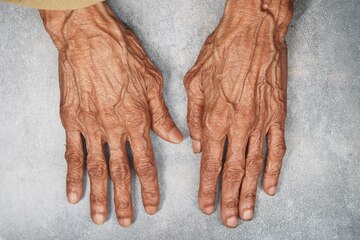
If prominent veins are accompanied by swelling, pain, tenderness, warmth, skin discoloration, or sudden changes in appearance, it could indicate inflammation or circulatory issues that should be evaluated by a medical professional.
Veins that suddenly become hard, painful, or unusually enlarged without explanation should not automatically be dismissed.
Still, those cases are far less common than ordinary age-related changes.
Many people become self-conscious about visible veins because hands are one of the first areas of the body to visibly show aging. While facial skincare often receives most attention, the hands quietly lose volume and elasticity over time, making veins more apparent even in otherwise healthy individuals.
For those bothered by the appearance, cosmetic procedures such as fillers, laser treatments, or sclerotherapy can sometimes reduce vein visibility. These treatments are usually elective and performed for aesthetic reasons rather than medical necessity.
But medically speaking, visible veins alone are usually not a problem.
They are often simply a reflection of natural anatomy, aging, body composition, and circulation.
In other words, seeing veins on your hands generally means your circulatory system is doing exactly what it is supposed to do — carrying blood back to the heart beneath skin that has changed over time.
And while many people worry when they first notice them, prominent veins are one of the most common and harmless physical changes the body experiences with age.