Common signs of swollen feet include feet that appear larger than normal, skin that feels tight or looks shiny, and difficulty fitting into shoes that normally feel comfortable. In some cases, pressing on the swollen area leaves a temporary indentation in the skin, a condition known as pitting edema.
There are many possible causes of foot swelling. Spending long periods standing or sitting can cause fluid to collect in the lower extremities. Hot weather often contributes to swelling because blood vessels expand, allowing more fluid to move into surrounding tissues. A diet high in sodium can also lead to water retention, resulting in swollen feet and ankles.
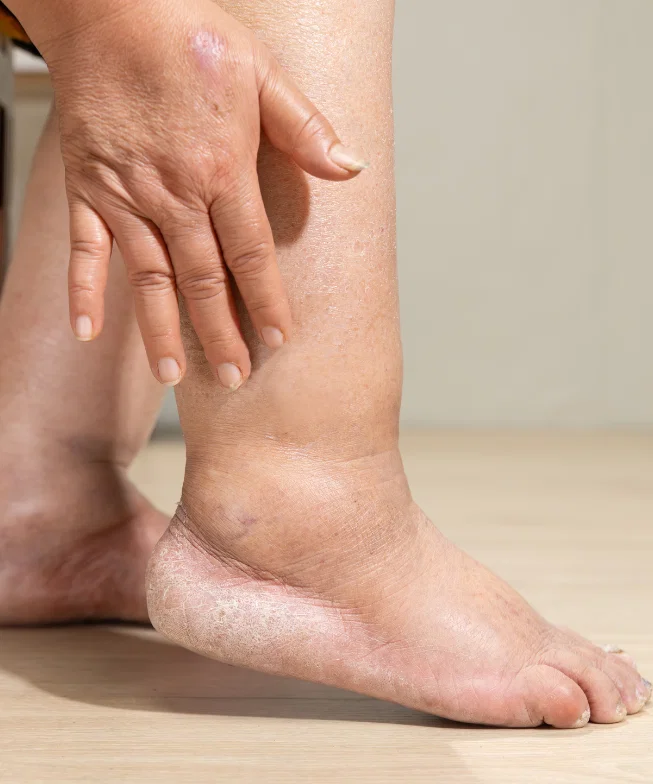
Pregnancy is another common cause due to increased fluid retention and pressure on blood vessels. Poor circulation may also contribute to swelling, particularly in older adults. In some cases, edema can be linked to medical conditions involving the heart, kidneys, or liver. Certain medications, including some blood pressure drugs, anti-inflammatory medications, and hormone treatments, may also cause swelling as a side effect. Injuries, infections, and inflammation can lead to swelling as well.
Although swelling is often harmless, there are situations where medical evaluation is important. Seek medical attention if swelling appears suddenly, affects only one foot, is accompanied by redness, warmth, or significant pain, or occurs together with shortness of breath or chest discomfort. These symptoms may indicate a more serious condition that requires prompt treatment.
Many people look to natural remedies to help relieve mild swelling and improve circulation. Medicinal herbs have long been used in traditional wellness practices to support healthy blood flow and reduce inflammation. While they should not replace medical treatment, some herbs may provide supportive benefits when used appropriately.
Ginkgo biloba is well known for its ability to support circulation. It contains compounds that may help improve blood flow and provide antioxidant protection for blood vessels. It is commonly available as a dietary supplement and is also found in some topical products.
Calendula is valued for its soothing and anti-inflammatory properties. Some people use calendula-infused foot soaks or creams to help reduce discomfort and promote circulation in the feet and legs.
Butcher’s broom has traditionally been used to support vein health and circulation. The herb contains natural compounds that may help strengthen blood vessel walls and reduce feelings of heaviness in the legs.
Chamomile is another popular herb known for its calming and anti-inflammatory effects. A warm chamomile foot soak may help ease discomfort while promoting relaxation after a long day.
Ginger has been widely studied for its anti-inflammatory properties. Whether consumed as tea or included in meals, ginger may support circulation and overall vascular health. Some people also use diluted ginger oil during foot massages.
Witch hazel is often applied topically because of its astringent and soothing qualities. Cold compresses containing witch hazel may provide temporary relief for mild swelling.
Horse chestnut is frequently used in herbal preparations aimed at supporting circulation and vein function. Topical creams and supplements containing horse chestnut are widely available.
Dandelion is a natural diuretic that may help the body eliminate excess fluid. It also contains antioxidants and plant compounds that support overall wellness. Many people enjoy dandelion as a tea or herbal infusion.
Rosemary has traditionally been used to stimulate circulation and may be incorporated into foot baths, massage oils, or herbal infusions.
Turmeric is well known for its active compound, curcumin, which possesses anti-inflammatory and antioxidant properties. It can be consumed in foods, teas, or certain topical preparations.
One simple herbal remedy often used for swollen feet is dandelion infusion. To prepare it, place one tablespoon of dried dandelion root in a cup of hot water. Cover and allow it to steep for 10 to 15 minutes before straining. Honey or lemon may be added if desired.

Once prepared, the infusion can be poured into a basin large enough to soak the feet. Allow the liquid to cool to a comfortable temperature before soaking your feet for 15 to 20 minutes. Afterward, gently dry your feet with a towel. This process may be repeated as needed.
While herbal remedies can provide supportive relief, it is important to remember that persistent or unexplained swelling should never be ignored. Always consult a healthcare professional before beginning any herbal treatment, particularly if you have a medical condition, are pregnant, or take prescription medications. Proper evaluation can help identify the underlying cause and ensure you receive the most appropriate care.