The relationship between entertainment and politics has long attracted public interest. Many well-known artists, athletes, and public figures have supported political campaigns, attended fundraising events, and encouraged civic participation. Their involvement often brings additional attention to important public issues while also placing them under greater public scrutiny.
One example that received significant media coverage involved Pras Michel, a musician best known as a member of the influential hip-hop group Fugees. Throughout his career, he participated in various social, cultural, and community initiatives, expanding his influence beyond the music industry and into public affairs.
Like many entertainers, Michel became involved in political activities and publicly supported political causes. His connections to political circles attracted attention and reflected a broader trend of celebrities engaging in public affairs, advocacy efforts, and discussions about national issues.
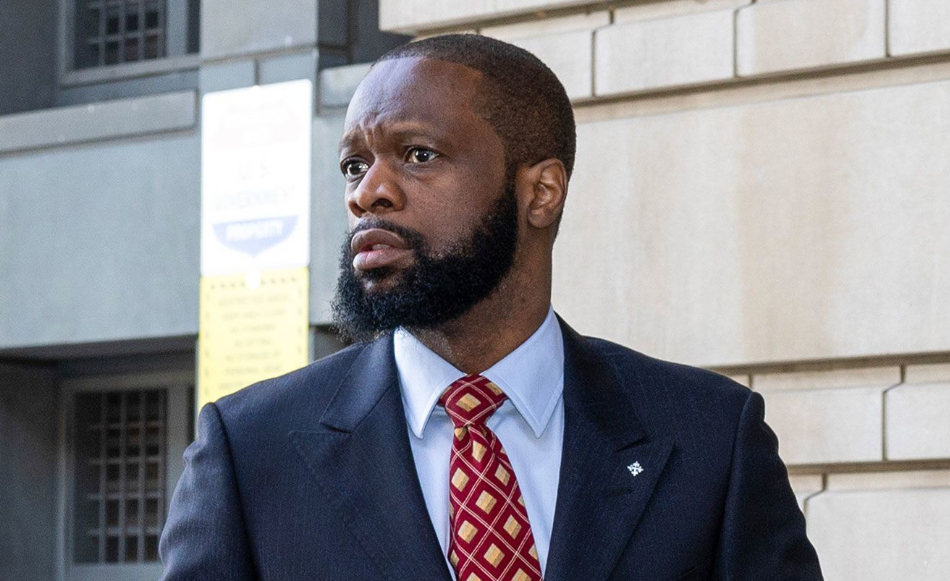
In recent years, legal proceedings involving Michel became the focus of widespread news coverage. Authorities examined matters related to political donations and lobbying activities, leading to court cases that generated national attention and sparked conversations about regulations and accountability.
The case also encouraged discussions about the responsibilities that come with public influence. When prominent individuals participate in political activities, their actions often receive increased attention from both the media and the public, regardless of their original intentions.
Many observers noted that situations like this highlight the importance of understanding campaign finance and lobbying regulations. These rules are intended to support transparency, accountability, and trust within democratic systems while helping ensure fair participation in public life and political processes.
Although headlines often center on individual personalities, the broader discussion usually involves the standards and regulations that guide political engagement. By focusing on transparency, responsibility, legal compliance, and informed participation, communities can better understand the role influential figures play in modern society and the importance of maintaining public trust.