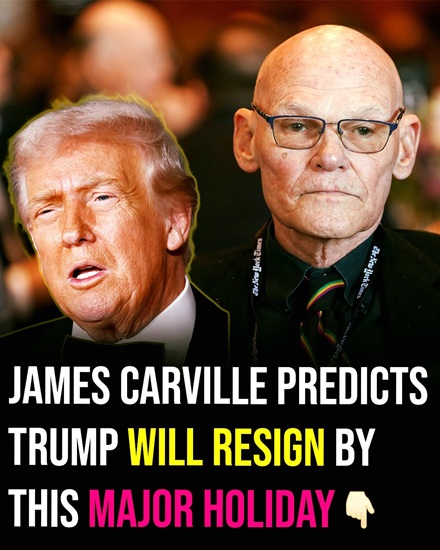
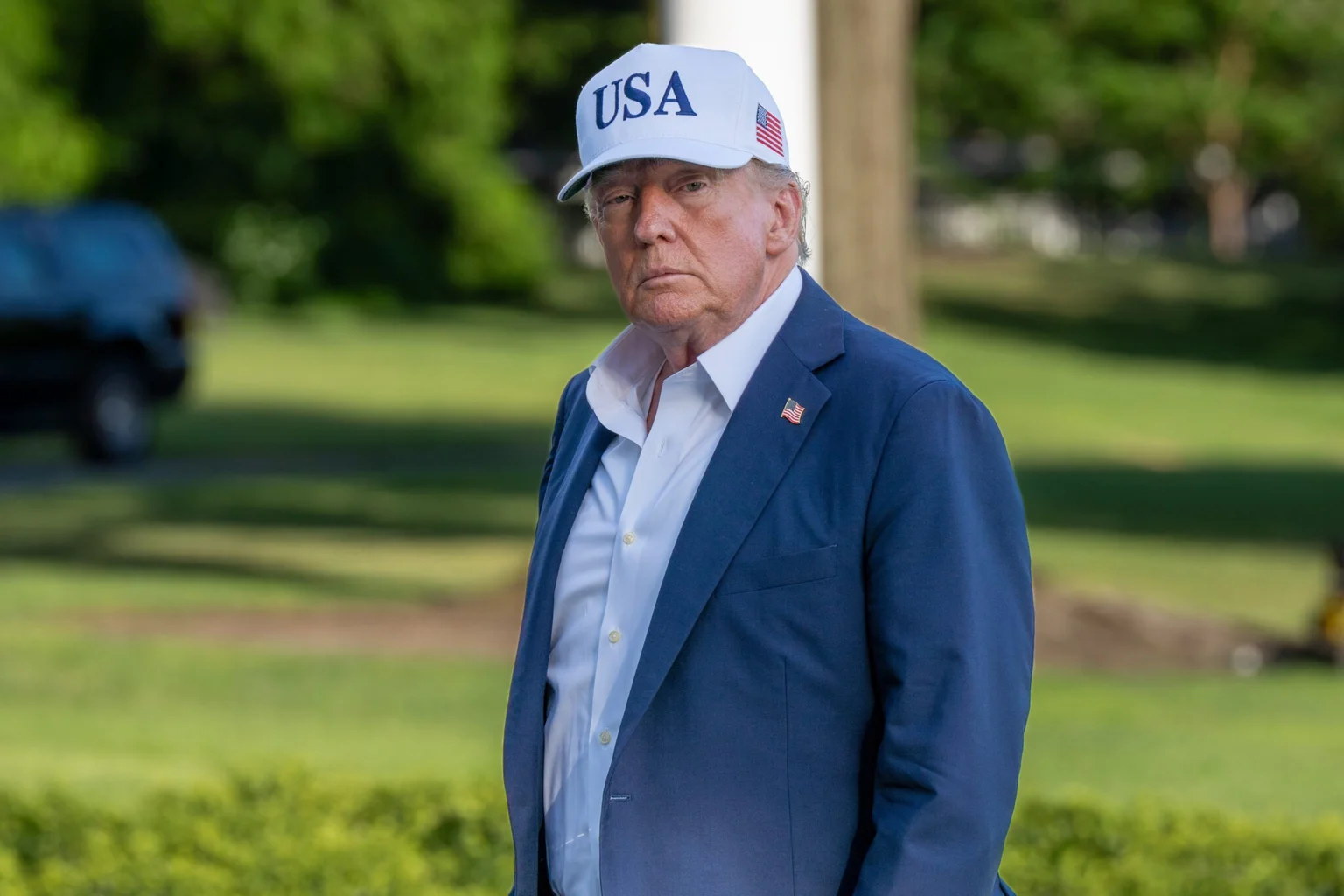
Donald Trump has recently drawn attention after merchandise featuring the phrase “Trump 2028” appeared for sale, sparking renewed discussion about his political future and the possibility of him seeking another term in office. The slogan, which references a potential future presidential run beyond the traditional two-term limit, has fueled speculation and commentary across political circles and media platforms. The appearance of such merchandise comes at a time when Donald Trump remains a central figure in American politics.
As a former president and current political leader, his statements, actions, and public branding continue to attract widespread attention. While supporters view the “Trump 2028” branding as a symbolic expression of political momentum, critics interpret it as a provocative suggestion that challenges long-standing constitutional norms regarding presidential term limits. Under the U.S. Constitution, presidents are limited to two elected terms in office, as established by the 22nd Amendment.
Any discussion of a third term remains speculative and legally complex, requiring significant constitutional interpretation or change. Despite this, political messaging and campaign-related merchandise often play a role in shaping public conversation and testing political narratives.
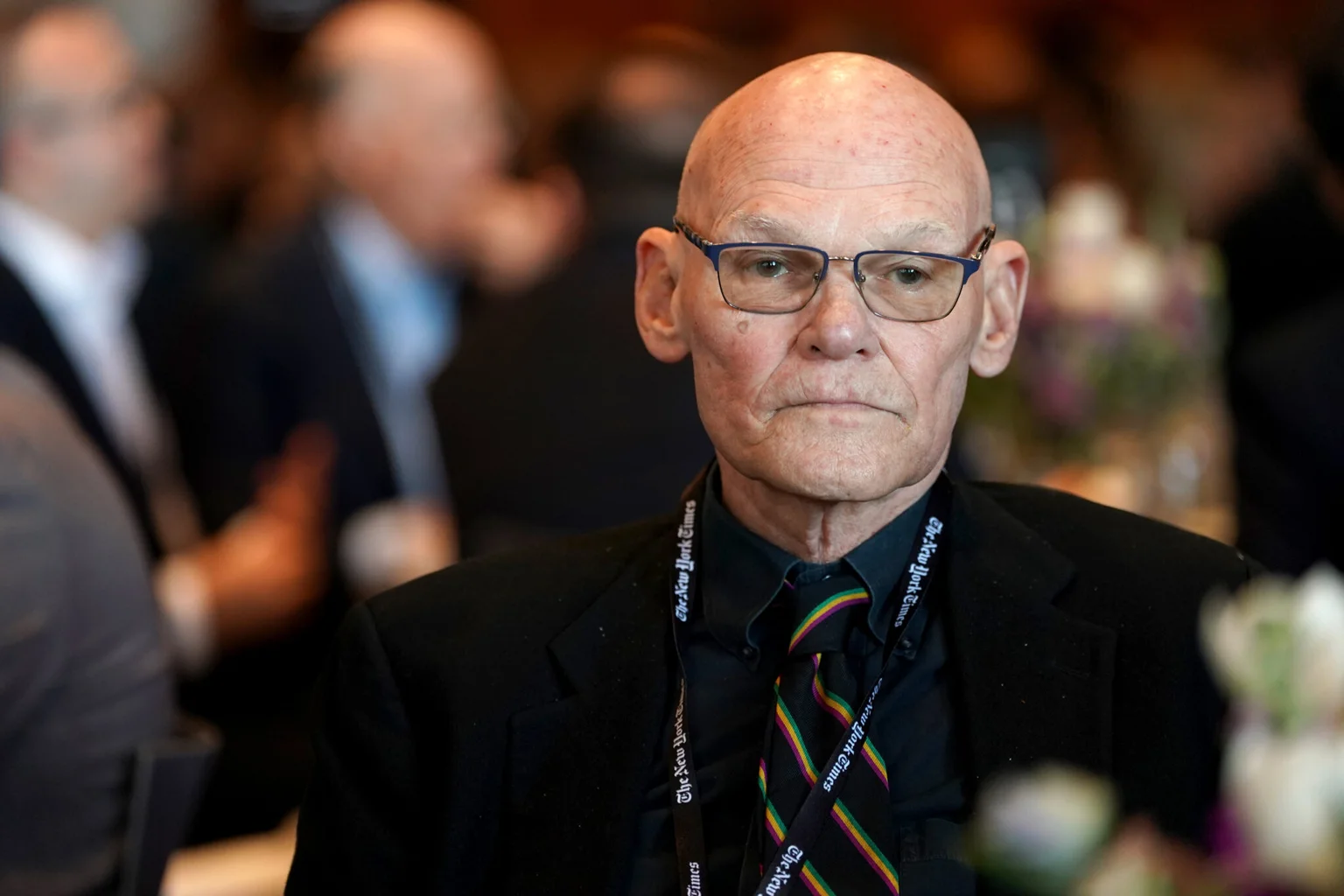
In parallel with the merchandise discussion, political commentary from various analysts has reignited debate about Trump’s long-term political future. Among those contributing to the discussion is veteran Democratic strategist James Carville, who has publicly shared his belief that Trump may not complete his current term in office. His remarks were made during appearances on political media platforms and podcasts where he discussed the broader direction of American politics.
Carville suggested that political pressure, electoral outcomes, and potential investigations could significantly influence the trajectory of Trump’s presidency. He argued that upcoming elections and shifts in congressional power could create a challenging environment for any sitting president, especially one as politically polarizing as Trump. These comments reflect his broader analysis of American political cycles rather than confirmed predictions.
During discussions on the podcast Politics War Room, Carville and co-host Al Hunt explored different scenarios regarding Trump’s political future. Hunt expressed skepticism toward the idea that Trump would voluntarily leave office early, emphasizing that losing political control or influence would likely lead to increased scrutiny from political opponents and investigative bodies. He argued that maintaining control over Congress would remain a key priority for any administration.
Carville, however, continued to express a more dramatic outlook, suggesting that political backlash could intensify significantly in the coming years. He described a scenario in which electoral results and public sentiment might create a difficult governing environment. According to his perspective, such conditions could influence political decisions at the highest level of government.
These statements reflect opinion and political interpretation rather than established fact, but they have contributed to ongoing debate about stability, leadership, and future elections in the United States. Political analysts often present contrasting viewpoints when discussing long-term outcomes, especially in highly polarized environments where public opinion shifts rapidly.
Carville also referenced the possibility of internal political pressure and public dissatisfaction affecting leadership decisions. He suggested that large-scale political rejection could influence future developments, although such claims remain speculative and based on personal interpretation of political trends rather than verified outcomes.
It is important to note that political forecasting in the United States is highly uncertain. Election outcomes, public approval ratings, and legislative dynamics can change significantly over time due to economic conditions, international events, and domestic policy decisions. As a result, predictions about future resignations or political exits remain speculative in nature.
In response to Carville’s comments, representatives from the White House dismissed the remarks and rejected the claims made during the discussion. The statement characterized the comments as politically motivated and emphasized disagreement with the narrative presented by critics. Such exchanges are common in U.S. political discourse, where opposing parties frequently respond strongly to public criticism.
The broader debate surrounding Trump’s political future also reflects ongoing polarization within American politics. Supporters and critics often interpret the same events in very different ways, leading to contrasting narratives about leadership, governance, and long-term political stability. This dynamic is further amplified by media coverage and social media discussions.
At the same time, Trump’s branding efforts, including merchandise such as “Trump 2028” hats, continue to play a role in shaping public attention. Political merchandise has long been used in American campaigns as a tool for messaging, fundraising, and building identity among supporters. In this case, the slogan has added an additional layer of speculation regarding future ambitions.
While some view such branding as symbolic or strategic messaging, others see it as an attempt to maintain political relevance and influence future electoral conversations. Regardless of interpretation, it has successfully generated discussion and media coverage, keeping Trump at the center of political dialogue.
In conclusion, the combination of campaign merchandise, political commentary, and media reactions highlights the ongoing attention surrounding Donald Trump’s political future. While predictions and opinions vary widely, no official changes have been made regarding constitutional term limits or confirmed plans beyond the current political framework.
As with many political discussions in the United States, the topic remains shaped by speculation, interpretation, and partisan viewpoints rather than definitive outcomes. What remains clear is that Donald Trump continues to be a major figure in political discourse, with his actions and statements consistently influencing national debate.