Watch Full video at the end.
In a case that has left many questioning the speed of justice and the power of initial assumptions, a young father endured public condemnation and legal accusations only for the truth to later reveal a heartbreaking accident rather than a crime. The events centered on 22-year-old James Saltmarsh and the tragic loss of his eight-month-old daughter Janiyah. What began as a frantic call for help turned into a nightmare of suspicion, arrest, and widespread outrage before new evidence dramatically changed everything.
James was at home with his infant daughter when he woke up to find her not breathing. In panic, he immediately called 911 and sought emergency assistance. Medical teams responded quickly, but despite their efforts, Janiyah could not be revived. At the hospital, doctors reported findings that raised serious concerns, including what appeared to be a skull fracture and signs that suggested possible sexual assault. These initial medical assessments led authorities to act swiftly.
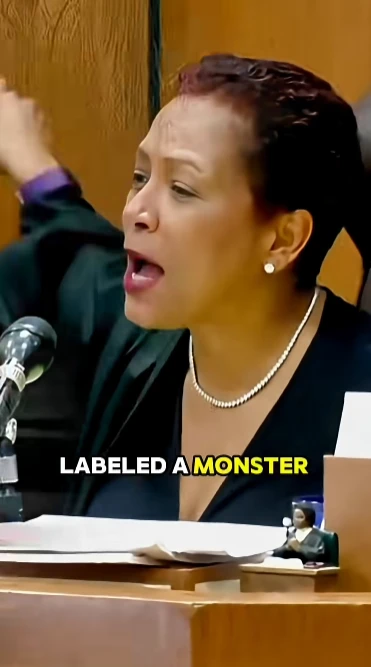
Police arrested James shortly afterward, charging him with the most serious offenses imaginable involving a child. The news spread rapidly, and public reaction was immediate and intense. Many labeled him a monster online and in local discussions, with little room for doubt about his guilt based on the early reports. The young father maintained his innocence from the beginning, insisting he had done nothing to harm his daughter and had only been trying to keep her safe while sleeping.
While in custody, James faced repeated setbacks. His requests for further review were initially denied, and the weight of public opinion added to his isolation. Family members and supporters who believed in him felt powerless against the strong narrative that had taken hold. The case highlighted how quickly assumptions can form when child injuries are involved, often leading to swift arrests before full investigations conclude.
Two months later, a comprehensive forensic review brought forward evidence that completely altered the direction of the case. Experts determined that the reported injuries had been misinterpreted. The supposed skull fracture was not present in the way initially described, and what had been thought to be signs of assault turned out to be a minor medical condition unrelated to any criminal act. The rectal fissure, for instance, was attributed to severe constipation rather than trauma.
The actual cause of Janiyah’s death was revealed as accidental suffocation. James had been co-sleeping with his daughter, holding her closely in his arms to prevent her from rolling off the bed. In his sleep, he had unintentionally held her too tightly, leading to the tragic outcome. This explanation aligned with what James had stated from the very first moments after discovering her condition.
With the new forensic findings, prosecutors dropped all charges against James. He was declared innocent and released from custody. The courtroom moment when the decision was announced brought visible relief, with expressions of support from those present. However, the exoneration came after significant damage had already been done to his reputation, mental health, and future prospects.
This reversal raised important questions about the reliability of initial medical assessments in high-stakes child cases. Hospitals and forensic teams work under pressure, and early interpretations can sometimes lead to errors with life-altering consequences. In James’s situation, the rush to judgment meant that a grieving father spent time behind bars and faced hatred from strangers who believed the worst about him.
Public discussions following the update have been filled with sympathy for James and criticism of the system that failed to dig deeper before making accusations public. Many argue that while protecting children must remain the top priority, there should also be safeguards to prevent innocent individuals from being vilified prematurely. The emotional toll on James, who lost his daughter and then his freedom and good name, is difficult for many to fully comprehend.
The case has prompted reflection on safe sleeping practices for infants. Health organizations consistently advise against bed-sharing due to the risks of accidental suffocation, even when parents have the best intentions. James’s actions stemmed from a desire to keep his baby close and secure, yet they contributed to the unintended tragedy. This aspect serves as a painful reminder for all parents about following recommended guidelines for infant sleep.
Broader conversations have emerged about the role of media and social platforms in shaping public perception. Once a story frames someone as guilty, especially in cases involving children, it becomes challenging to correct the narrative even after facts change. James’s experience illustrates how quickly reputations can be destroyed and how long it can take to rebuild them, if possible at all.
For James personally, the path forward remains difficult. While legally cleared, the loss of his daughter is permanent, and the stigma from the initial accusations may linger in his community and online. Supporters have encouraged him to seek compensation through civil actions and to focus on healing from both the grief and the injustice he endured.
Legal experts note that such cases test the balance between rapid child protection and thorough due process. Authorities face immense pressure to act decisively when child harm is suspected, yet this case shows the potential costs of moving too quickly without complete information. Improved protocols for independent forensic reviews in ambiguous cases could help prevent similar situations in the future.
Communities have expressed mixed emotions — relief that justice was eventually served for James, sorrow for the innocent child lost, and frustration with systemic delays. Many parents empathize with the instinct to hold a baby close at night, while others stress the importance of education on safer alternatives like cribs placed nearby.
The exoneration has also sparked calls for accountability from those who may have contributed to the initial misdiagnosis or rushed conclusions. Whether through lawsuits or policy changes, there is growing sentiment that families in similar positions deserve faster access to expert re-evaluations when doubts arise.
James’s story resonates because it combines profound personal tragedy with questions of fairness in the justice system. A young man who called for help when his child was in distress found himself accused of causing that distress. His persistence in claiming innocence, even when few believed him, ultimately contributed to the truth coming to light.
As awareness of the case spreads, it encourages more careful consideration before forming judgments based on early headlines. True crime enthusiasts and everyday observers alike are reminded that not every shocking story has the obvious villain it first appears to have. Sometimes, behind the accusations lies a devastated parent dealing with an unimaginable accident.
Medical professionals involved in pediatric cases carry heavy responsibilities. Training that emphasizes caution in interpreting certain injuries, especially in infants, and the value of seeking second opinions quickly could reduce errors. Collaboration between hospitals, child protective services, and forensic specialists is key to ensuring accuracy.
For grieving families, the added burden of suspicion can compound the pain of loss. James not only mourned his daughter but also fought to clear his name during what should have been a time for mourning. His eventual release brings some measure of peace, yet the emotional scars are likely to remain for years.
This incident underscores the fragility of life and the importance of evidence-based decisions in legal matters. While no system is perfect, striving for greater precision and speed in correcting mistakes can help restore faith in institutions meant to serve justice.
Parents across the country may take extra precautions after learning of this case. Safe sleep campaigns gain renewed attention, reminding caregivers that even loving actions can carry risks if they deviate from established guidelines. Resources for new parents on creating safe sleep environments continue to be vital.
In the aftermath, James has the opportunity to rebuild his life, though the journey will not be easy. The support from those who followed the case and celebrated his exoneration provides some comfort. Many have voiced hopes that he finds strength, perhaps through counseling or community connections, to move forward.
The case also highlights the power of forensic science to uncover truth even after initial conclusions. Advances in medical examination techniques play a crucial role in distinguishing between accidents, natural causes, and intentional harm. Continued investment in such expertise benefits everyone involved in the justice process.
As discussions continue, the central focus remains on the innocent child whose life ended too soon and the father who loved her. Their story, marked by tragedy and eventual vindication, leaves a lasting impression about compassion, caution, and the pursuit of accurate facts.
James Saltmarsh’s experience serves as both a cautionary tale and a story of resilience. It reminds society of the need to balance swift action in child safety cases with the fundamental principle that individuals are innocent until proven guilty. When the system corrects itself, as it did here, it reaffirms the possibility of justice even after significant setbacks.
The public’s shift in perspective from condemnation to support demonstrates how new evidence can change hearts and minds. It also encourages ongoing dialogue about improving responses to complex family tragedies so that future cases might avoid the prolonged suffering this one caused.
In the end, the resolution brought relief but could not restore what was lost. The memory of Janiyah and the lessons from her father’s ordeal will likely influence conversations about parenting, justice, and medical accuracy for a long time to come.